


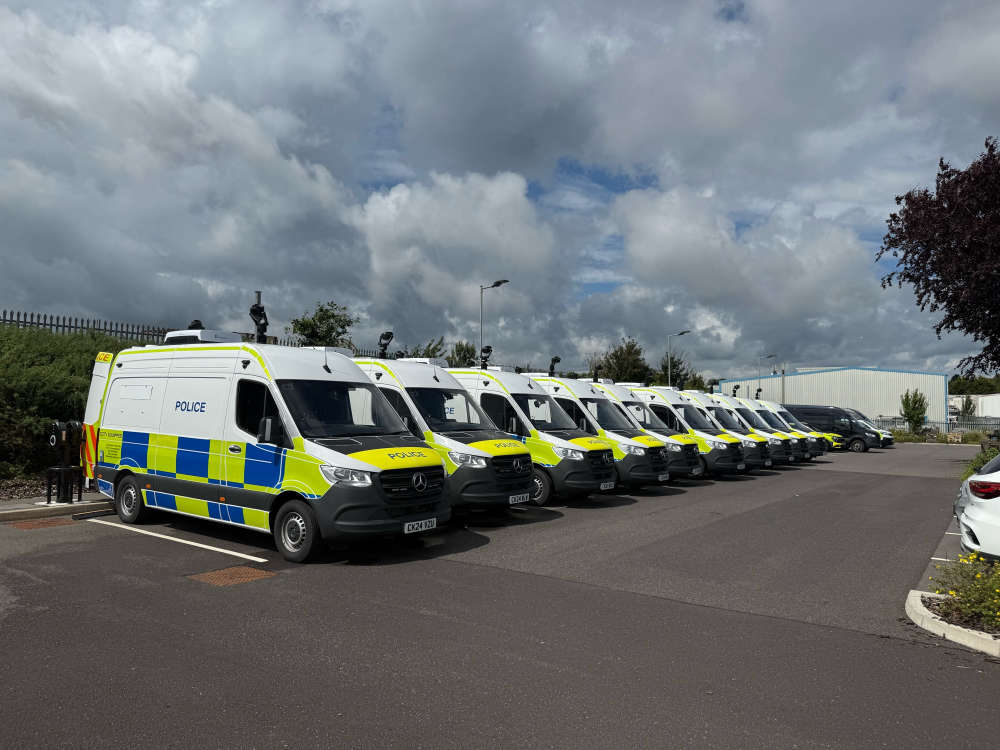
Greater Manchester Police will be one of seven forces in England and Wales to pilot Live Facial Recognition (LFR) vans, as part of a national push to use new technology to catch serious criminals.
Under the government’s ‘Plan for Change’, GMP will soon have access to one of ten new LFR-equipped vehicles designed to locate offenders wanted for violent, sexual, and organised crimes. The move comes alongside a wider neighbourhood policing drive, which aims to deliver 13,000 additional officers nationwide by 2029.
Home Secretary Yvette Cooper said the technology will only be used “in a targeted way” to identify sex offenders or individuals wanted for the most serious crimes.
“Neighbourhood policing has been decimated over the last 15 years,” Ms Cooper said. “But through our Plan for Change we are turning the corner, starting with town and city centres. We will provide police with the tools they need to do their jobs.”
Facial recognition checks will be conducted strictly against curated watchlists of suspects, wanted persons, or individuals under court orders, such as registered sex offenders. Each list is deployment-specific and must follow the College of Policing’s guidelines.
GMP’s new vehicle will join others deployed in West Yorkshire, Bedfordshire, Surrey and Sussex (jointly), and Thames Valley and Hampshire (jointly). The rollout is being coordinated by the National Police Chiefs Council and South Wales Police.
The vans are designed to support community patrols, major investigations, and large-scale public events. In London, the Metropolitan Police has used the technology to arrest over 580 suspects in the last year, including 52 registered sex offenders in breach of their conditions.
Live deployments are always manned by trained officers who manually verify every match. The system will operate under strict legal safeguards and independent oversight. The LFR algorithm, tested by the National Physical Laboratory, showed no statistical bias in accuracy across race, gender, or age.
Chief Superintendent Tim Morgan of South Wales Police, a long-standing user of LFR, stated: “It’s important to remember this has never resulted in a wrongful arrest in South Wales, and there have been no false alerts since 2019.”
A public consultation on the future legal framework for LFR is set to begin this autumn, with the government inviting views on transparency, oversight, and use-cases for the technology.
John Hayward-Cripps, Chief Executive of Neighbourhood Watch, welcomed the broader neighbourhood policing reforms. He said: “Having named and contactable officers is an extremely positive step. The most effective neighbourhood policing models combine targeted approaches with genuine community engagement.”
The vans will begin operations in the coming weeks. Each force will decide how and when to use their unit, with the results helping to shape future national policy.
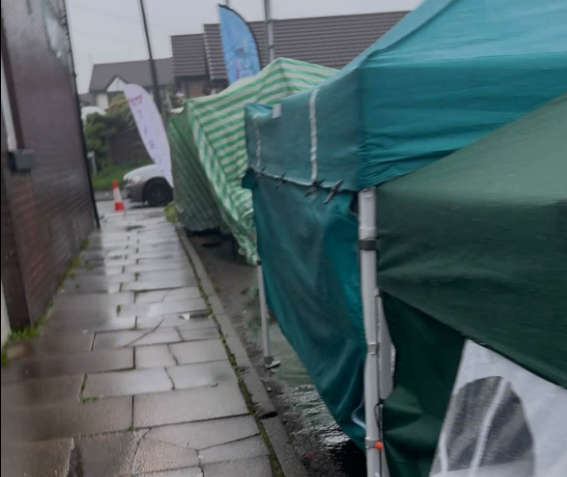 Heywood’s ‘Willy Wonka’ moment as gala photos look very different to flashy AI advert
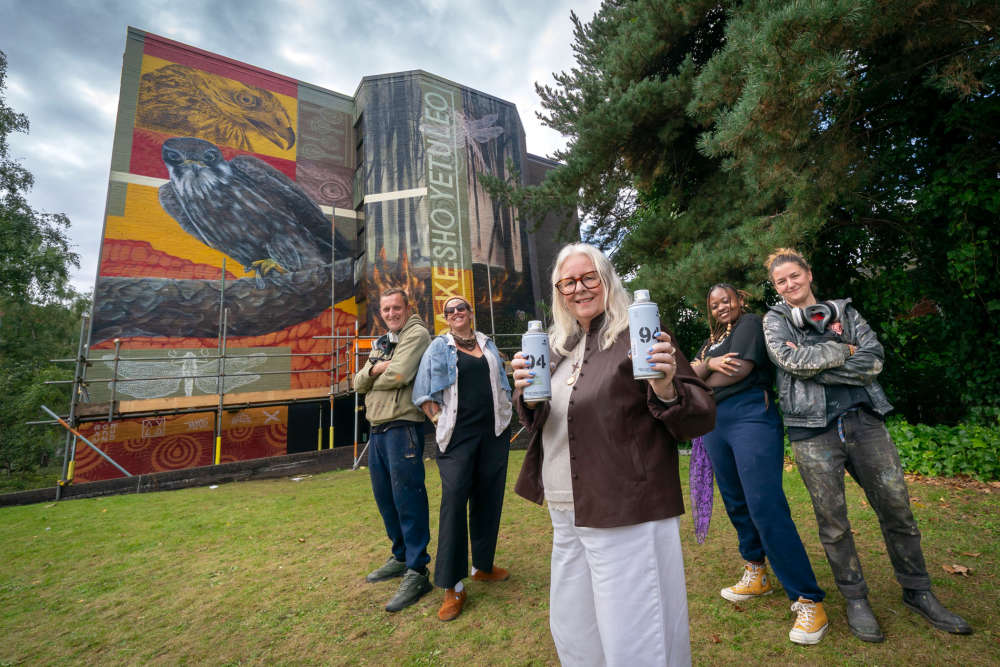 Wildlife mural created in Middleton as part of Kenya arts exchange
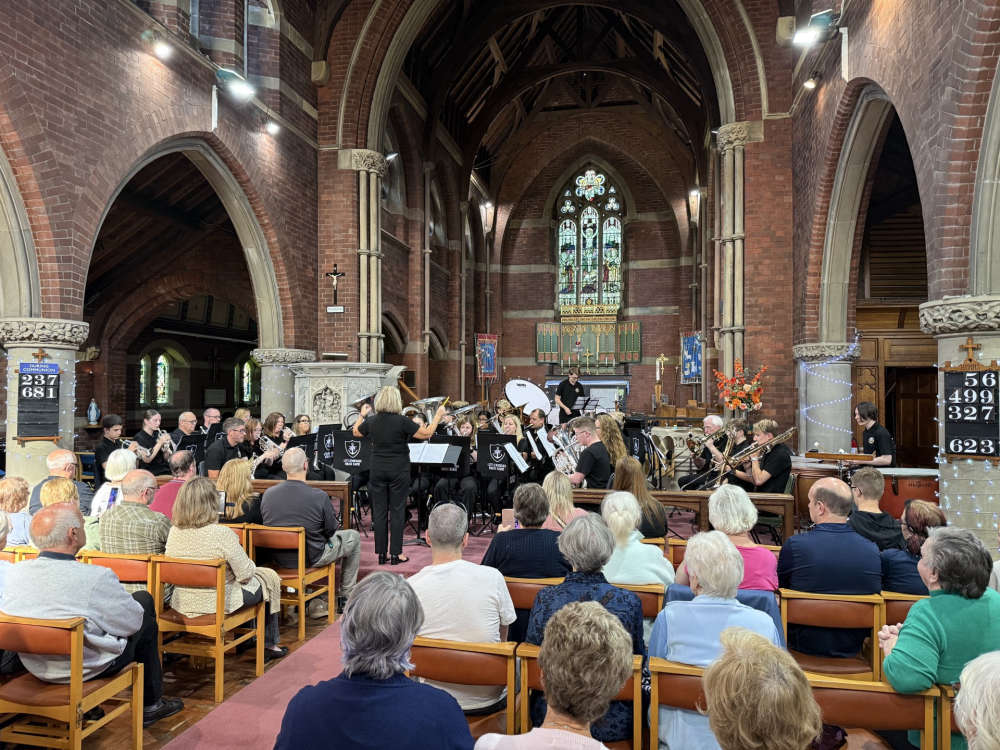 Littleborough and Wardle brass bands prepare for national finals
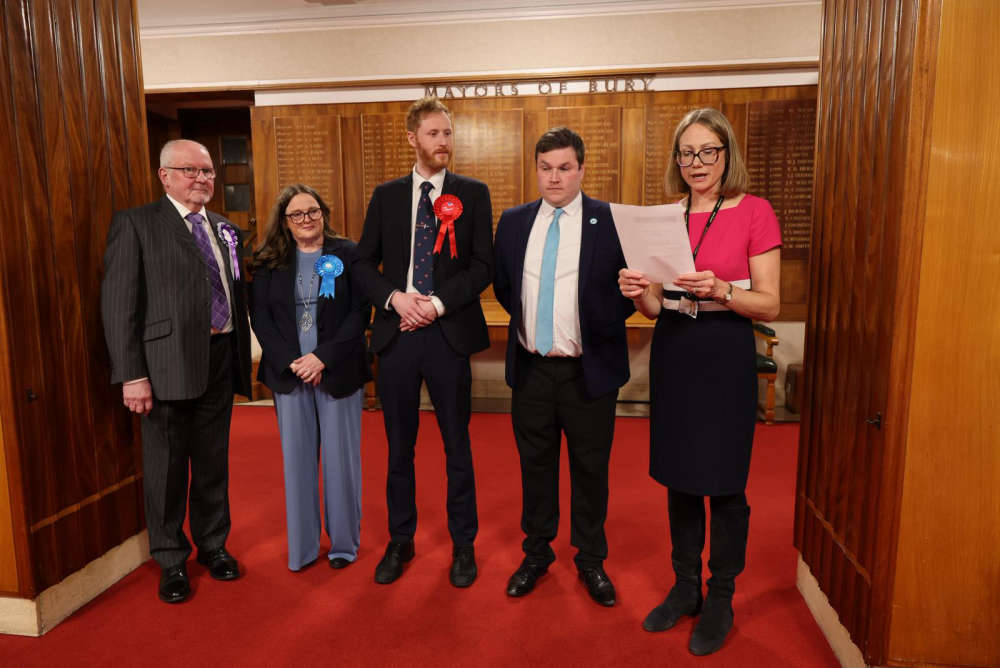 Tottington by-election Results
 Social care worker honoured after saving life of injured police officer
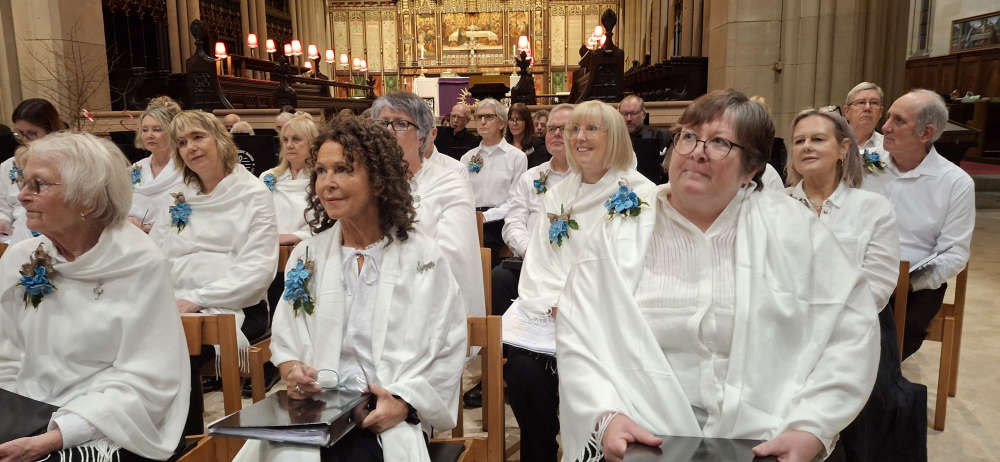 Cancer choir calls for new members as rehearsals resume in Bolton
 M60 closed near Prestwich after multi-vehicle crash saw two rushed to hospital
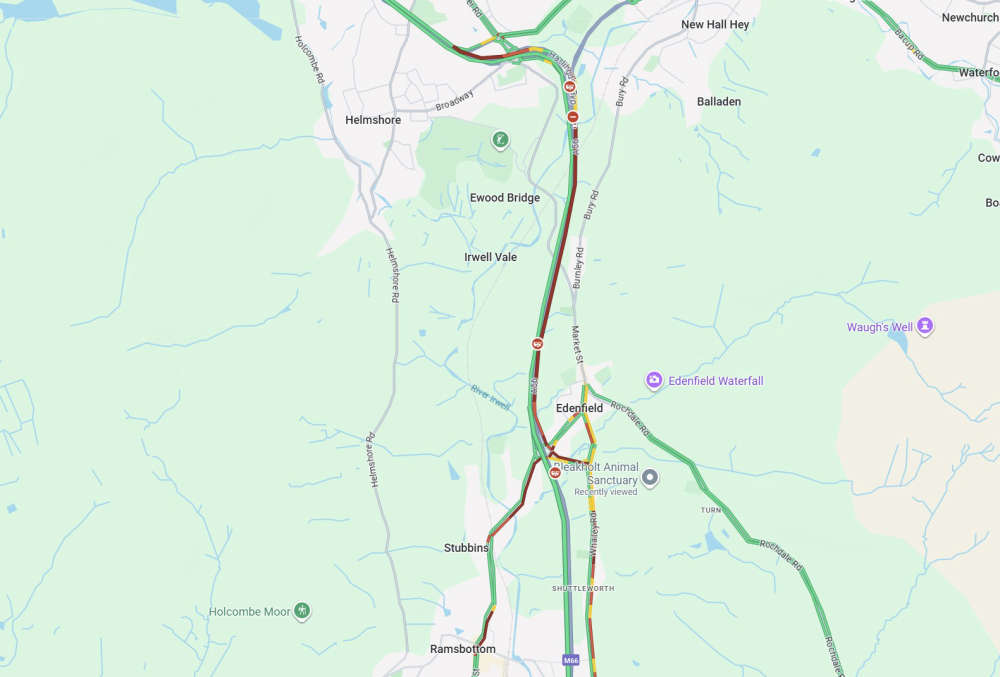 M66 traffic stopped southbound due to ongoing Police incident
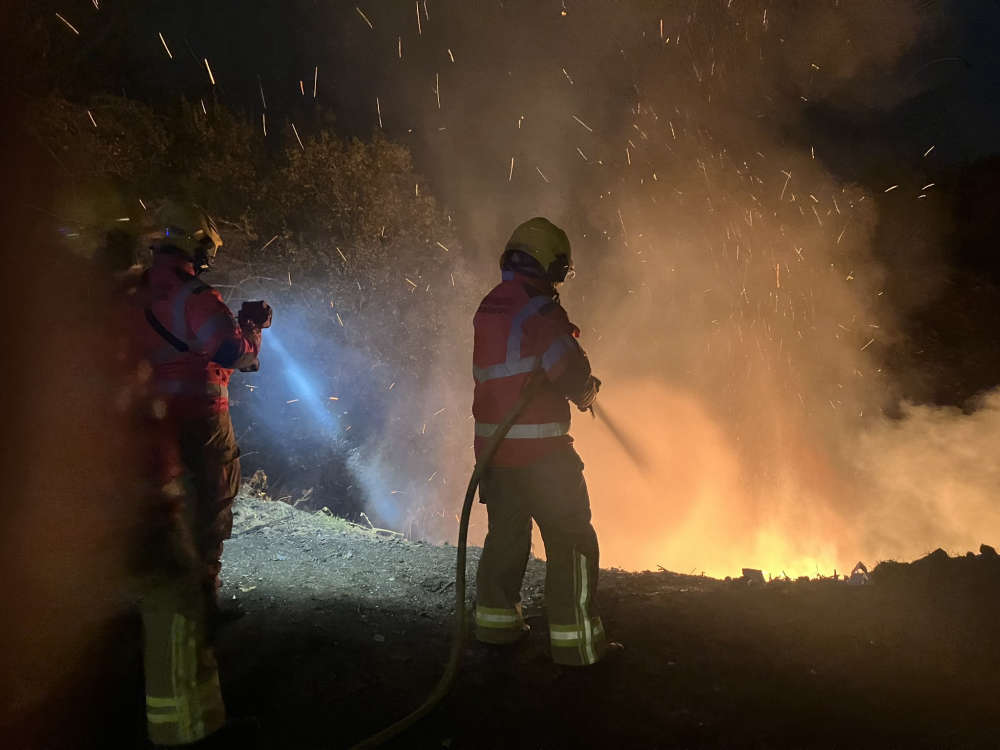 🚒 LIVE: We join Greater Manchester fire crews in Rochdale tonight for a ride-along
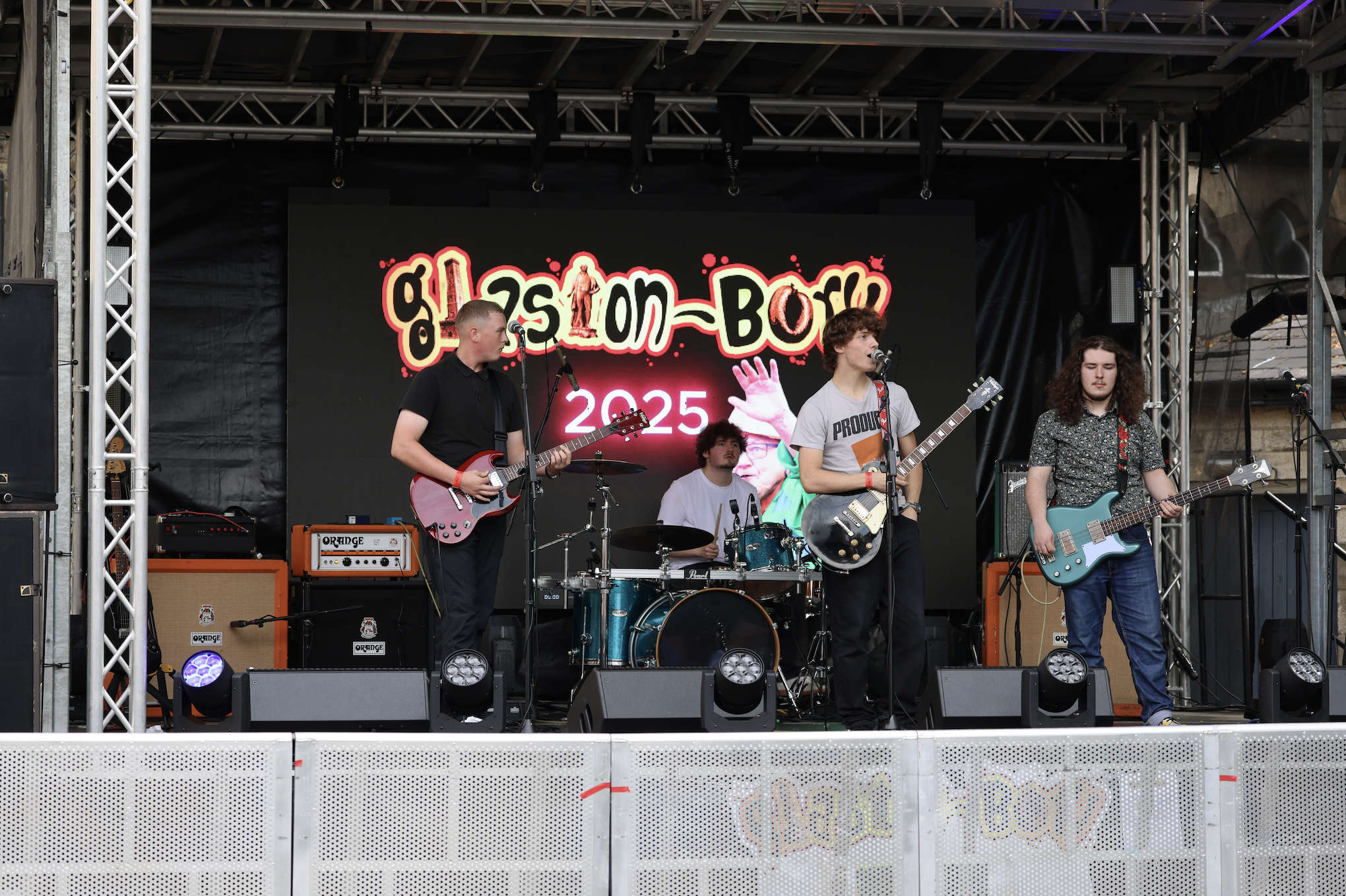 🟥 RECAP: Glaston-BURY live updates, photos, interviews and more
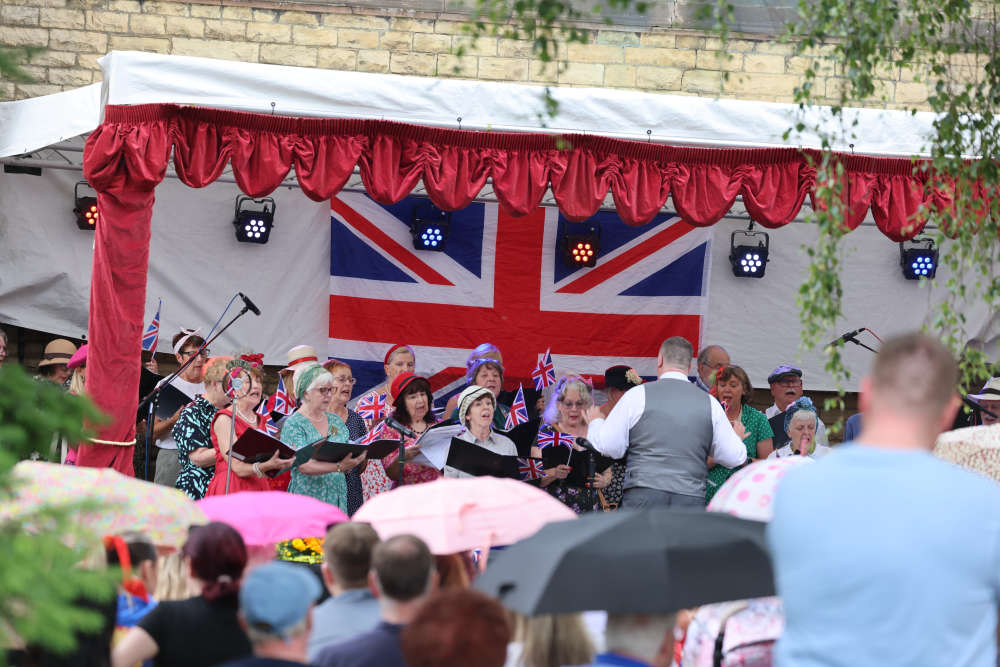 Thousands attend Heywood 1940s Day as parade and street party return
 RECAP: Parklife 2025 Day Two - updates, photos & travel news



Comments
Add a comment