Almost £20m of council tax in Rochdale has gone unpaid in the last decade.
Since 2016 a huge sum of council tax income has been lost by the local authority, with thousands in the borough either being unable to afford it or simply avoiding paying. This shortfall stands at a total of £19.5m, according to the statement of accounts for 2024/25.
This sum has accumulated over the last decade, with the council missing out on £1.3m from unpaid tax last year, a decrease from 2023/24 at £1.8m. This is because the in-year collection rate for council tax decreased slightly from 93.6 per cent in 2023/24 to 93.5 pc in 2024/25.
The local authority funds their essential services through the income generated by council tax as well as from government grants and business rates. This means they could take a hit on the sup[port and services they provide to residents.
A spokesperson for Rochdale Borough Council said: “Like all local authorities, the council is not able to collect all of the council tax owed to it. This can be due to a number of reasons, some of which are beyond our control, but we have a range of measures in place to help us recover outstanding debts.
“This is something that we take extremely seriously. We continue to actively contact residents with council tax arrears and regularly review our approach to collection and the support available to residents who are in financial difficulty.
“Residents who are not currently paying are encouraged to contact us on 0300 303 8870 at the earliest opportunity to discuss a repayment arrangement and advice is also available at rochdale.gov.uk/CouncilTax.”
According to council papers, 19,676 residents are in need of council tax support. The local authority has put this number down to the ‘economic uncertainty’ – commonly known as the cost of living crisis.
Council tax charges are based on a banding system dependent on the valuation of the residential property. The number of properties in each band is adjusted by a specified fraction to convert the number of dwellings to the equivalent number of Band D properties for the Council.
Each year the Council must estimate the equivalent number of Band D properties after allowing for discounts and other adjustments.
The council’s net budgeted spending, including precepts and levies and after taking account of receipts of general government grants and business rates income, is divided by the tax base to produce the council tax level for Band D properties, which is the headline council tax figure.
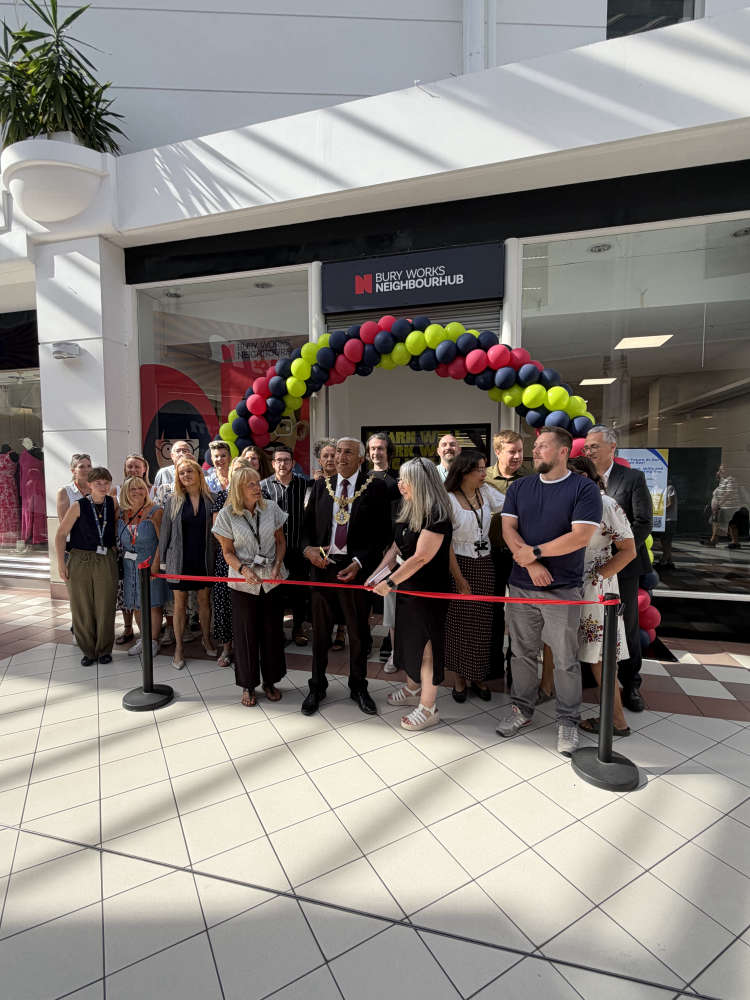 The new Bury NeighbourHub has opened to support residents with work, skills, health, and wellbeing
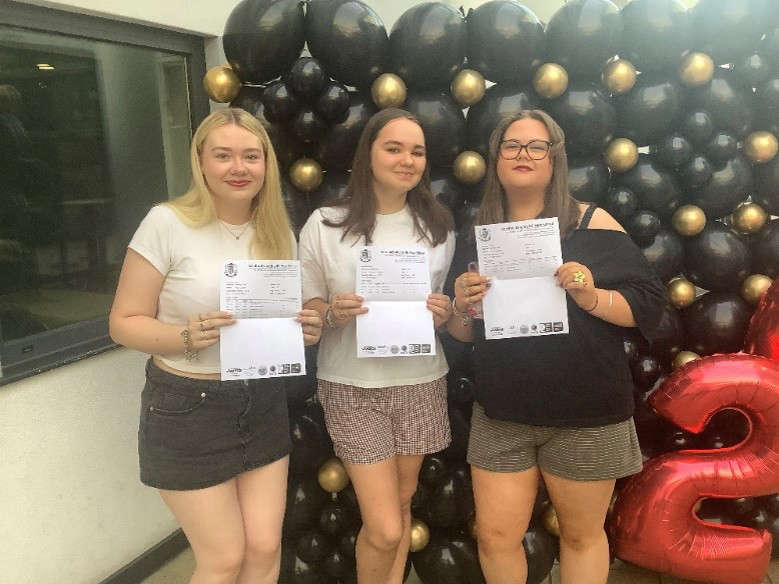 Cardinal Langley students celebrate 'exceptional' A-Level and BTEC results
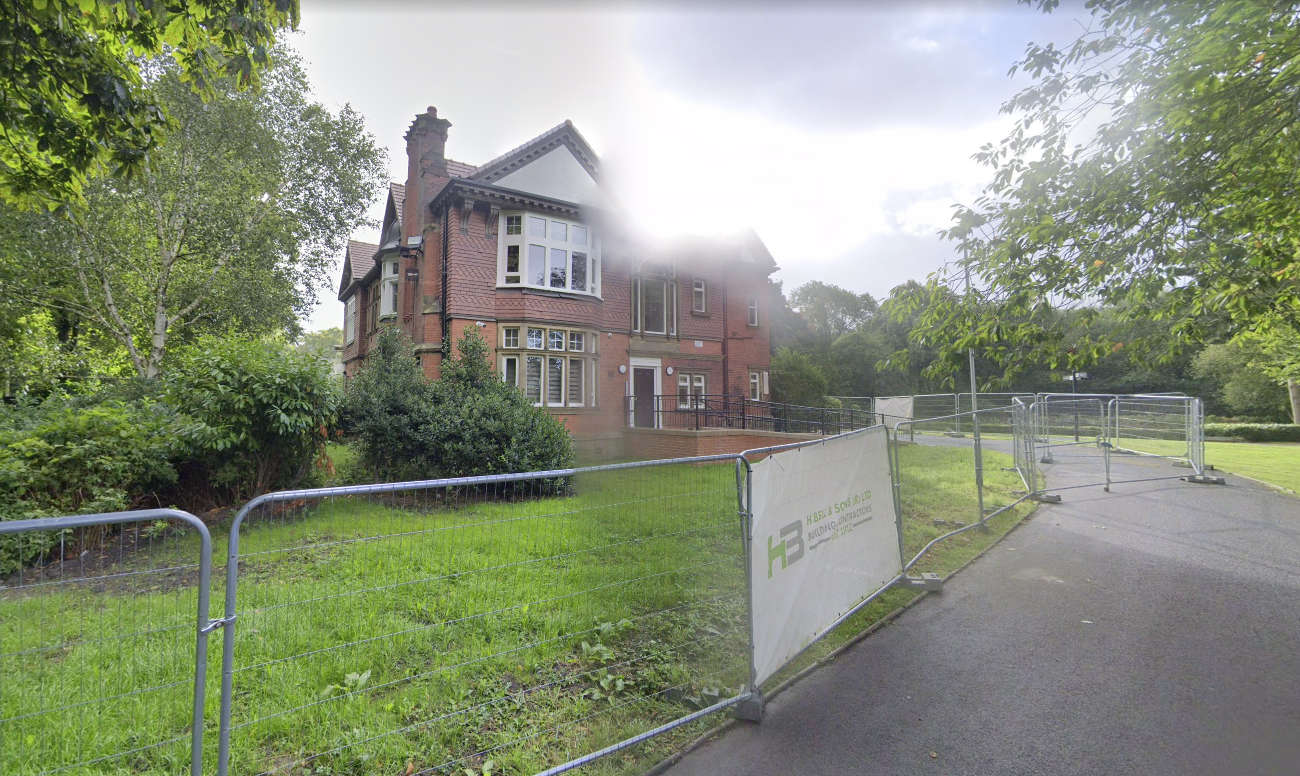 Veterans group to take over cafe and community hub at Denehurst House
 Hopwood Hall College students celebrate Results Day success
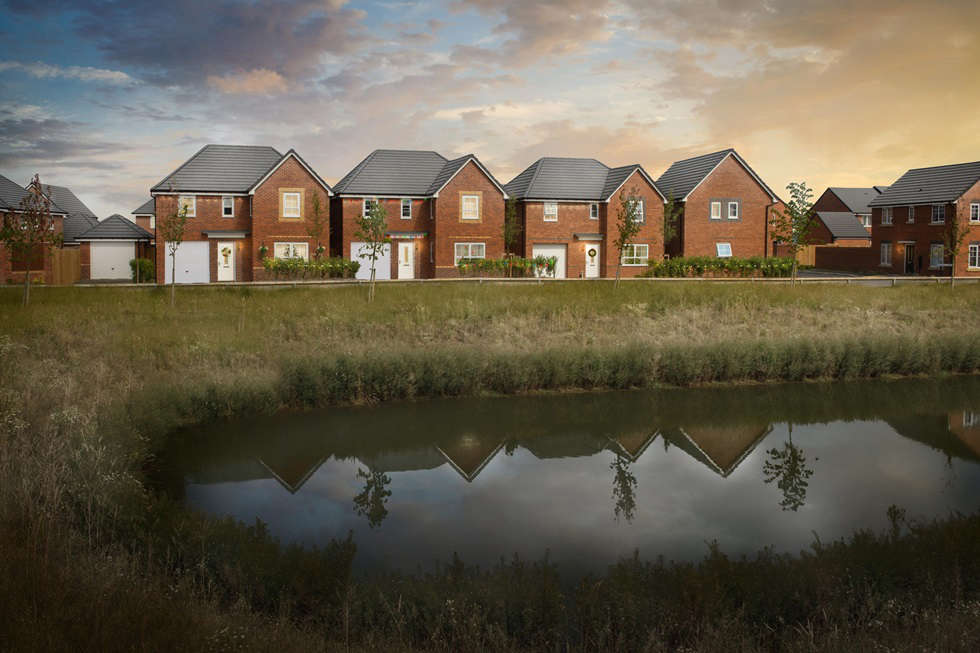 Bury residents asked for views on 10-year housing strategy
 Seven more Rochdale schools to offer free breakfast clubs
 Rochdale Netball Club joins Rochdale AFC under new identity
 Roch Valley Radio presenter Ian Foran appointed Rochdale AFC Sports College head coach
 93-year-old former police officer returns to Rochdale station
 Burnley man banned from keeping animals after dog found emaciated in Rochdale home
 OMD play first Rochdale show to sold-out Town Hall Square crowd
 Mayor Faisal Rana reflects on busy start to mayoral year



Comments
Add a comment