


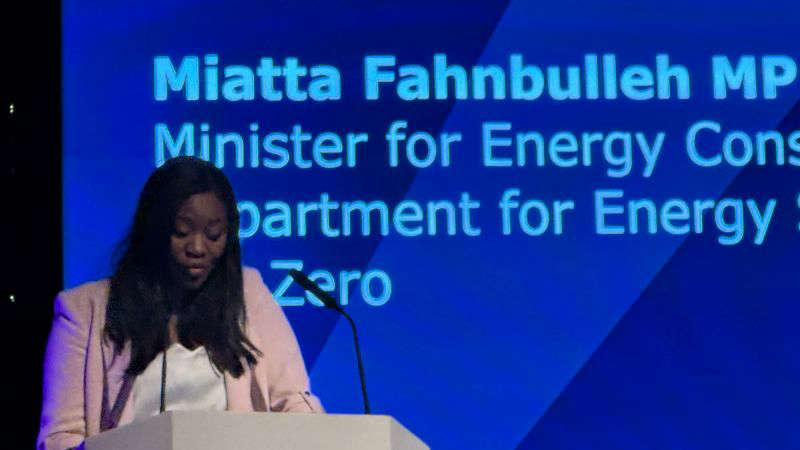
Energy Secretary Miatta Fahnbulleh has made a statement regarding Ofgem's announcement of the next energy price cap which is to take effect in October of this year, costing the average household £60 a year
Fahnbulleh said: 'Families will be understandably concerned about the cost of energy bills this winter, which is being driven up by the Iran War.
'Energy is an everyday essential and it needs to be affordable for everyone, which is why we have cut VAT on electricity bills from October, to give families some breathing space.
'This has limited the rise in the price cap and follows the £150 in costs we removed from bills earlier this year, and we will keep looking at what more we can do to protect families from unaffordable bills.'
The price cap announced by Ofgem is a rise of 4%, a three-year high, costing the average household around £5 a month, equating to £60 a year. This comes after Andy Burnham announced the removal of VAT from electricity bills, and the speculation around whether Burnham will begin drilling in the North Sea.
The Iran War began on 28 February 2026, with US-Israeli strikes killing numerous senior Iranian officials, including the Iranian Supreme Leader, Ayatollah Ali Khamenei. This instigated the still ongoing war between allies America and Israel against Iran, that has led to the Strait of Hormuz, a key area regarding the movement of oil, located at the southern border of Iran, undergoing immense disruption, drastically decreasing the amount of maritime traffic in the area.
The Strait of Hormuz, prior to the war, carried roughly 20% of the world's petroleum consumption according to Times Now, with around 130 ships making journeys through the Strait of Hormuz daily. Due to the disruptions, including the closing of the Strait of Hormuz, oil and energy prices have risen across the globe, with the pre-war baseline for Brent crude oil being around $72 a barrel, which jumped to almost $120 at its peak. Today, the price of a barrel of Brent crude is $86.27. This has declined from the $100 spike just over a month ago for a barrel of Brent crude.
The reverberations of the catastrophic consequences of the Iran War have been felt on energy bills across the country, with the BBC reporting that the 'typical' bill will rise to £1862, which would be a rise of £221 a year.
However, Fahnbulleh was asked on LBC if the rise in bills was solely due to the ongoing wars in the Middle East and in Ukraine, or if government policy regarding renewable subsidies also has been contributing to the rise in energy bills. The Energy Secretary responded saying that 'it is both'. She later said that 'for the grid to operate properly, we've got to upgrade it', blaming the previous government for a lack of investment in the energy grid over their 14 years in power. Ofgem have said that household energy bills would have been £45 higher per year if Andy Burnham had not removed VAT from electricity bills.
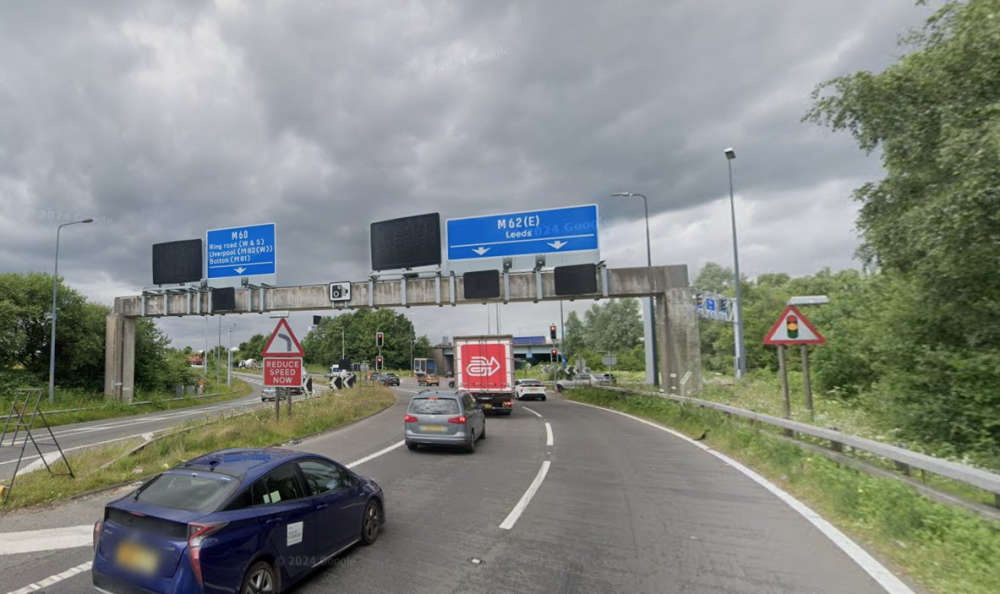 Simister Island overnight closures planned
 Major travel warning issued for Manchester city centre ahead of Pride weekend
 The Margaret Haes Riding Centre celebrates 60th anniversary
 Rochdale mum passes GCSEs at 40 and secures place on teacher training course
 More Rochdale pupils achieve higher GCSE grades in English and maths
 Rochdale AFC installs sanitary bins to support men after prostate cancer treatment
 Two women arrested after child seriously injured in Rochdale
 Baby rabbit reported stolen from Bleakholt Animal Sanctuary
 Senior Austrian delegation visits award-winning Bury Market
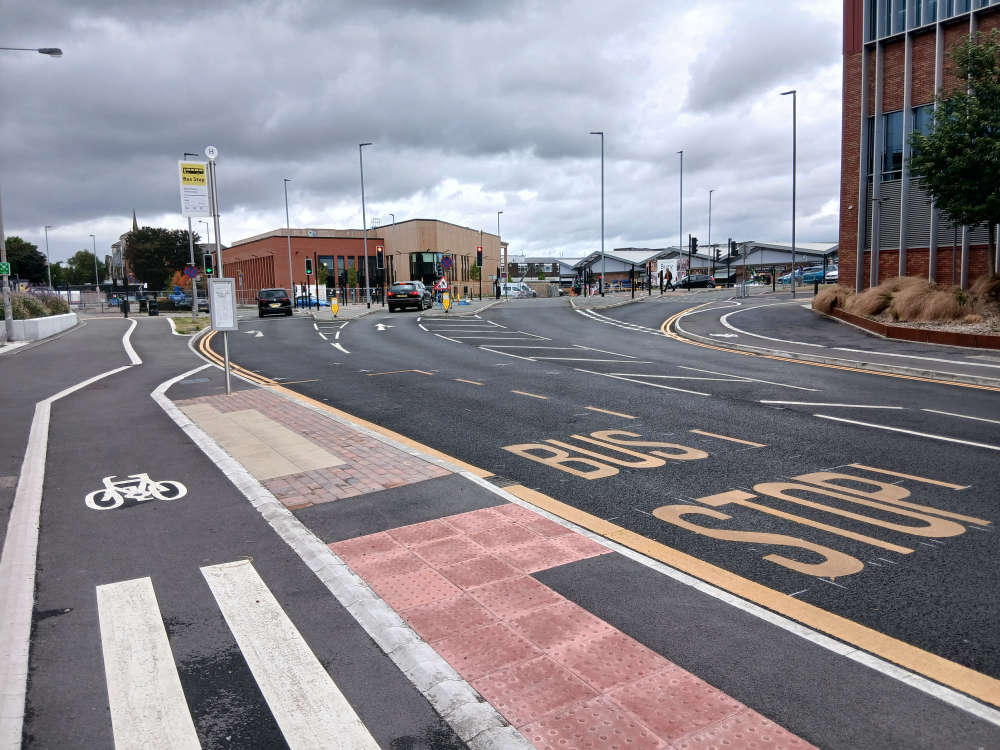 Market Street reopens with road safety measures in place
 Students across Bury celebrate GCSE Results Day
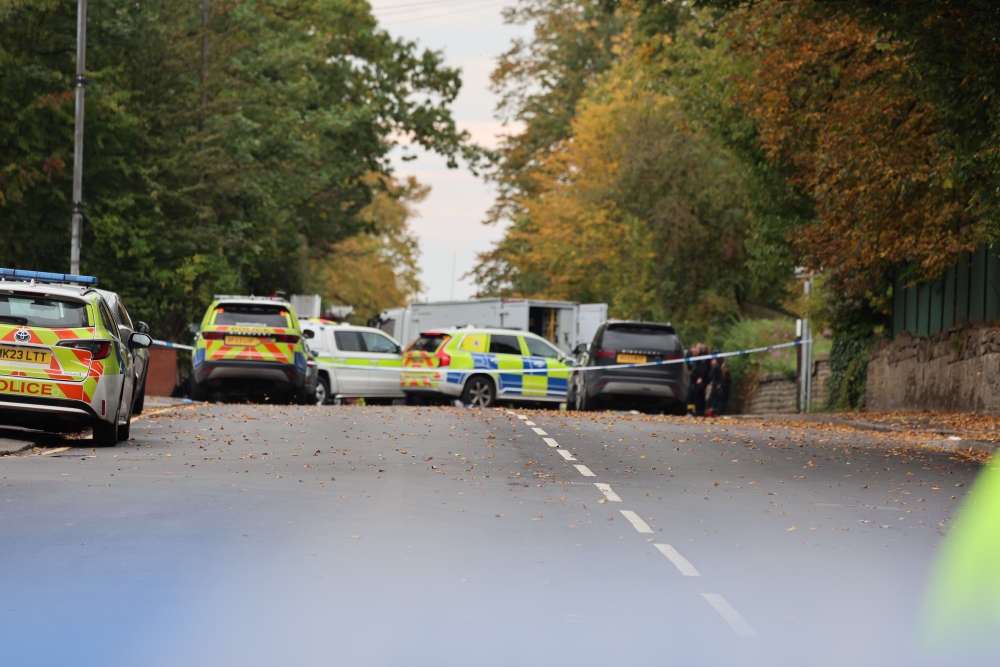 Iraqi national charged in connection with the terrorist attack at Heaton Park Synagogue



Comments
Add a comment