

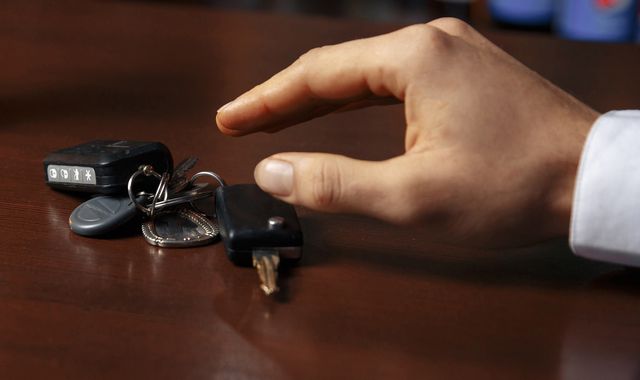
Repeat offending of drug-driving is almost five times more common than drink-driving, an investigation has found, leading to calls for a national rehabilitation scheme.
A total of 12,391 British drivers were caught driving with drugs in their system above the legal limit at least three times in the 11 years to 20 July 2025, official figures obtained by the RAC showed.
That is compared with 2,553 who received that many drink-drive convictions over the same period.
The Driver and Vehicle Licensing Agency (DVLA) statistics, obtained through a Freedom of Information (FOI) request, demonstrates the need for a national rehabilitation scheme for drug-driving as is in place for drink-driving, the RAC said.
The drug-drive figure is based on the number of DG10 endorsements on driving records on 20 July last year.
These are handed out to people convicted of driving or attempting to drive with a level of a controlled drug above the legal limit.
One driver had accumulated 18 separate DG10 endorsements, while another had 17. Some 56 had at least 10.
People caught drug-driving in Britain face a minimum one-year driving ban, an unlimited fine and up to six months in prison.
RAC senior policy officer Rod Dennis said: "While it's drink-driving that tends to attract most of the headlines, these figures show just how much of a problem the more under-the-radar issue of drug-driving is becoming.
"Drug-driving reoffending rates dwarf those of drink-driving, which suggests current penalties aren't effective in preventing some drug-drivers from repeating their crimes and putting everyone at risk.
"Introducing a national drug-driving rehabilitation scheme - similar to what is in place for drink-driving - could also help drive down reoffending."
Read more from Sky News:
Sky News reports from Iranian school hit by alleged US strike
The dark art of GPS jamming in the Iran war
The Department for Transport (DfT) said it was committed to tackling drug-driving in its road safety strategy which was published in January.
This included reviewing penalties and exploring alternative methods for evidence collection.
"Drug-driving is reckless, dangerous and ruins lives. For too long, our enforcement system has struggled to keep pace with the scale of this problem," a DfT spokesperson said.
"But those who do drugs and get behind the wheel will no longer go unpunished. We launched a road safety strategy, the first in over a decade, to save lives by tackling the root causes of deaths on our roads."

(c) Sky News 2026: Repeat offending of drug-driving 'almost five times more common' than drink-driving
 Channel 4 says 'very serious' claims of wrongdoing made against past Married At First Sight UK contributors
 Manhunt after rape of two teenage girls in Great Yarmouth, say police
 Swatch x Audemars Piguet launch sparks crowd trouble outside shops: What happened?
 Police begin antisemitic hate crime investigation after Jewish man attacked in Golders Green
 All smiles as King and Queen meet Sir David Beckham at Chelsea Flower Show
 Soldier who died falling from horse at Royal Windsor Show named as Ciara Sullivan
 Pouria Zeraati: Iranian journalist was stabbed in 'targeted' attack in London, court told
 Archbishop of Canterbury criticises those who 'misuse religious identity to intimidate and divide'